


At Fuchu Complex, employees (mainly those who have been certified as nature observation guides) have been conducting monitoring surveys of the site’s biotope and green spaces since 2013. These surveys have confirmed the presence of many different species of wildlife and plants, making the site a place for reaffirming the connections between the Complex and the surrounding ecosystem.
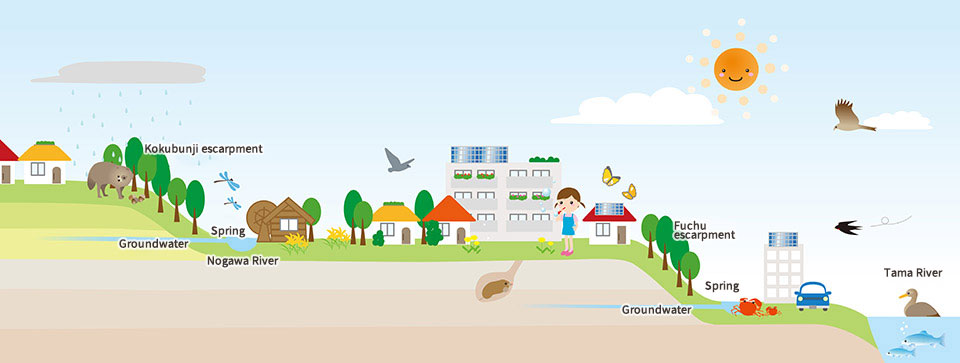
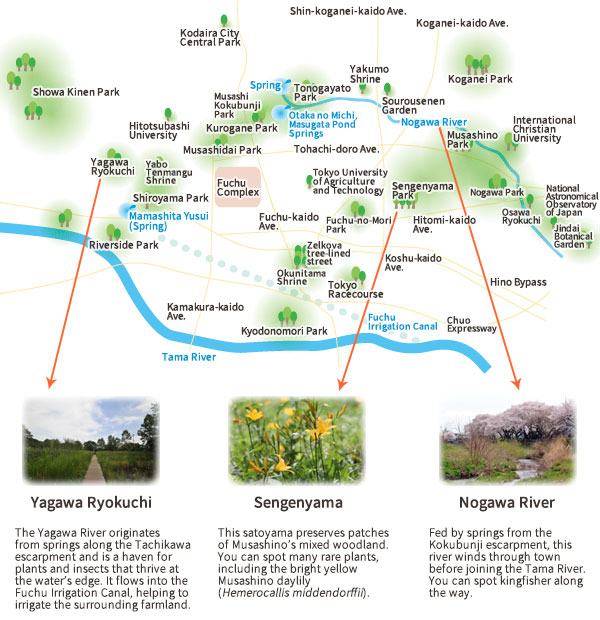
Fuchu City is located near central Tokyo and is blessed with a rich natural environment that features many rivers, springs, and parks.
We explored the diversity of wildlife and plants at Fuchu Complex, which is located in Fuchu City and has been in operation for 70 years.
Introduction to the Fuchu Area
In the Kitatama region, where Fuchu Complex is located, large green spaces are scattered between the Nogawa River to the north and the Tama River to the south. Efforts are underway to connect these green “dots” into a continuous “line.”
By planting trees such as sawtooth oak (Quercus acutissima) and konara oak (Quercus serrata), which are common in Musashidai Park, on the Complex grounds, we hope to strengthen the continuity of the green spaces, increase the movement of wildlife between the Nogawa River and the Tama River, and improve the region’s overall ecological balance.
Introduction to Fuchu Complex
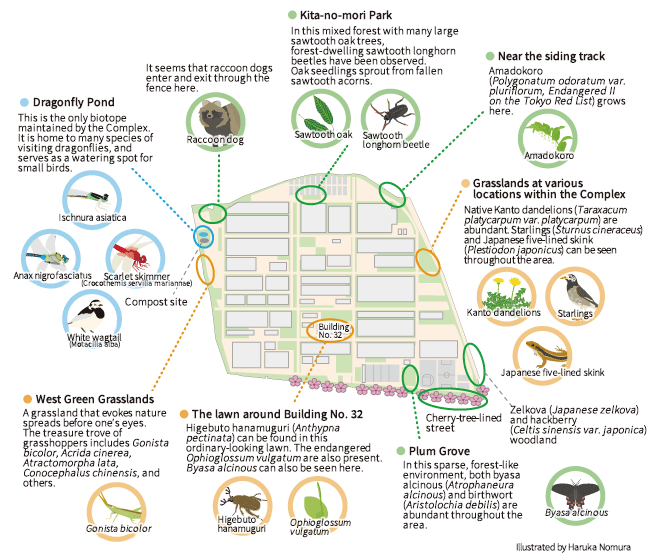
Fuchu Complex covers approximately 70 hectares, which is equivalent to the area of 14 Tokyo Domes.
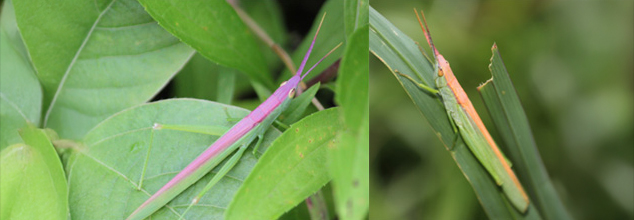
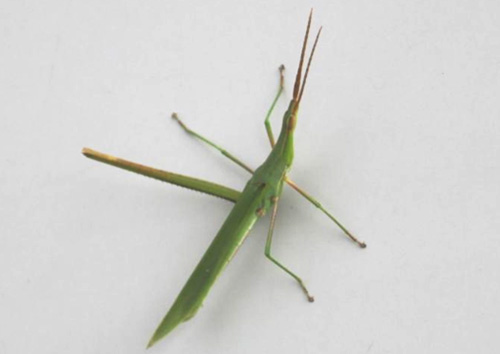
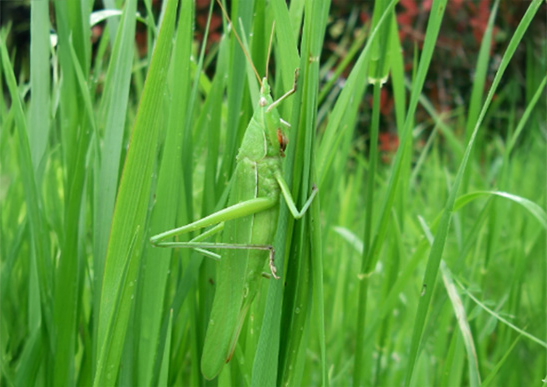
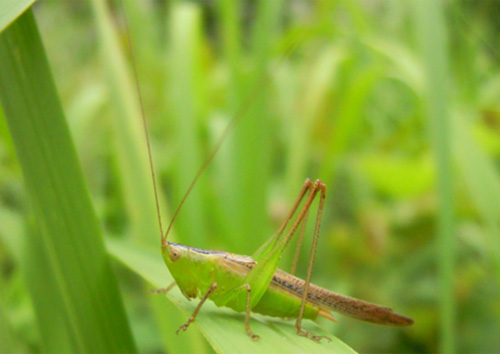
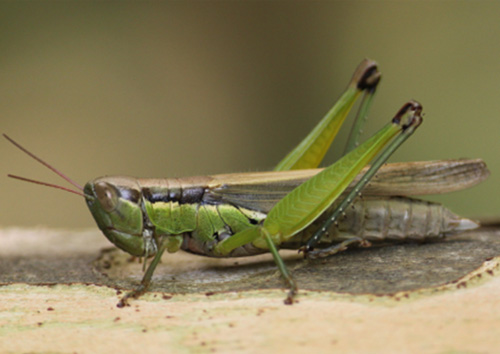
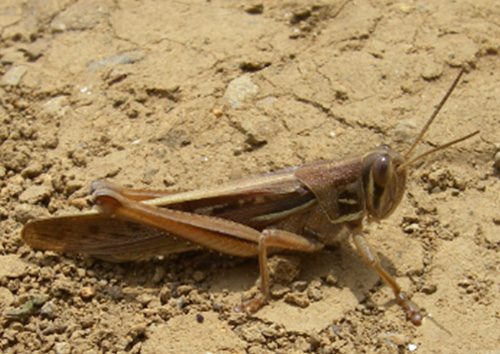
It features extensive grasslands, which are home to many grassland insects such as the Gonista bicolor.
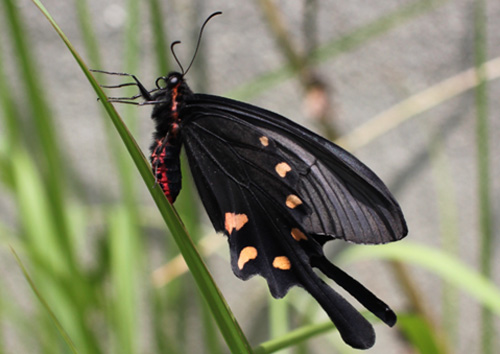
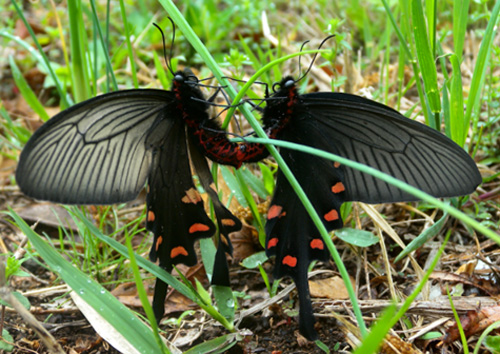
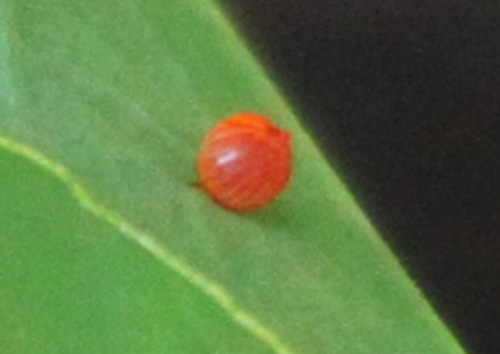
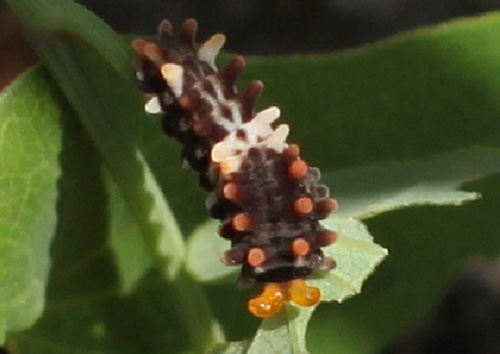
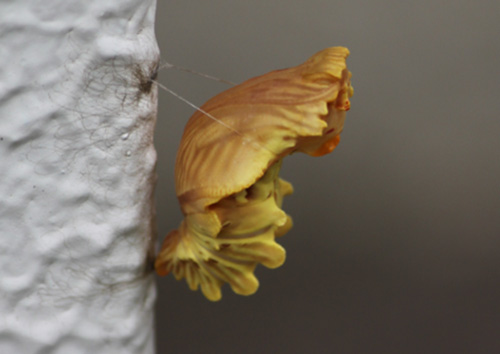
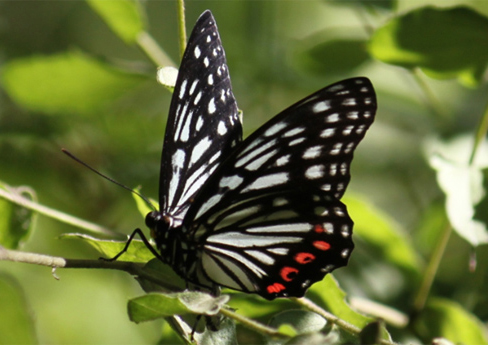
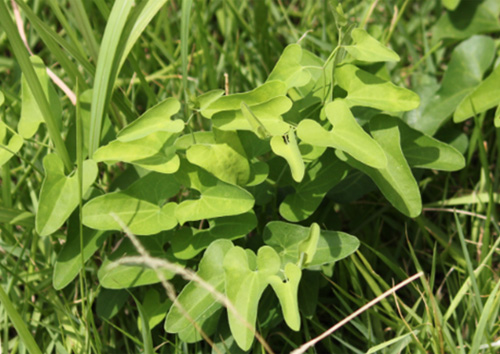
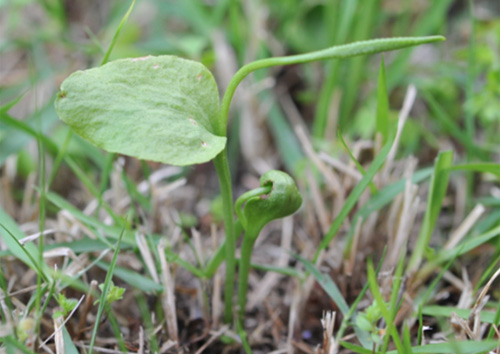
Birthwort (Aristolochia debilis) grows abundantly throughout the area, and the breeding of the Chinese Windmill butterfly (Atrophaneura alcinous) has been confirmed.
Fuchu Complex Ecosystem Pyramid
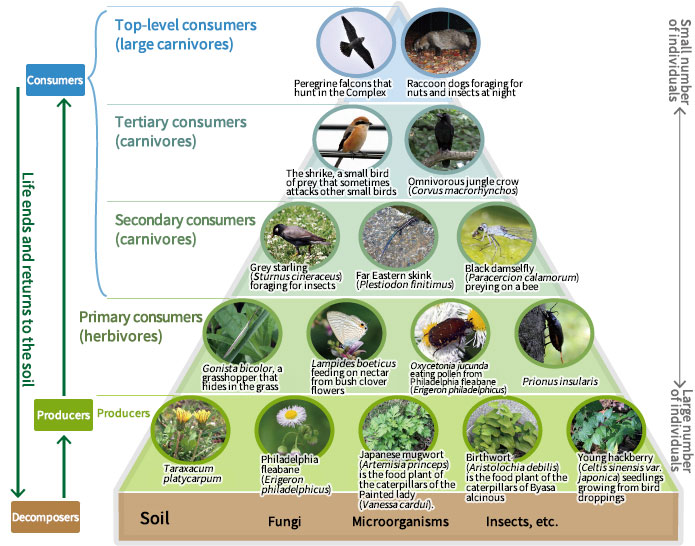
The connections between eating and being eaten are called “food chains,” and organisms exist within these relationships.
The state of the ecosystem—which repeatedly undergoes production, consumption, and decomposition—can be represented as an “ecological pyramid.” Such a pyramid maintains its balance because populations are larger toward the base. If this balance is disrupted at any point, it can successively affect higher-level organisms and potentially disturb the balance of the entire biosphere, which constitutes the foundation for human survival.
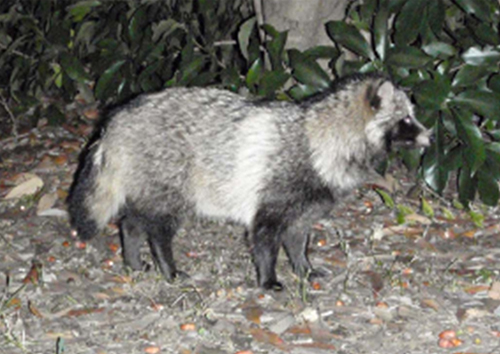
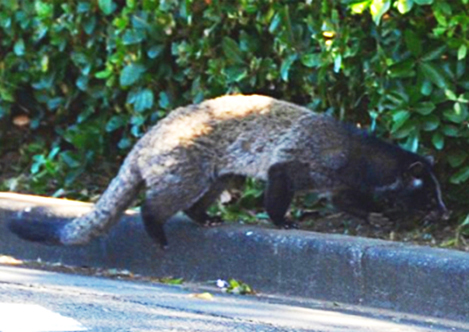
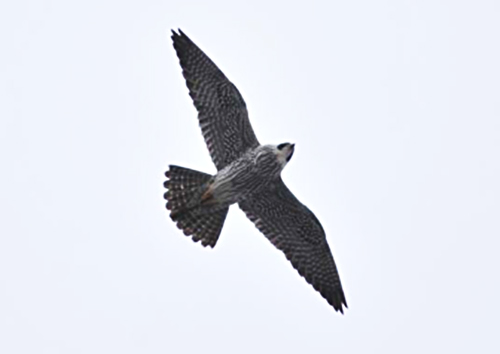
At the apex of Fuchu Complex ecological pyramid are mammals such as raccoon dogs and masked palm civets (Paguma larvata) as well as raptors such as Peregrine falcons (Falco peregrinus).
Fuchu Complex Wildlife and Plants Guide
A one-year survey of living species on the Fuchu Complex premises was conducted from October 2011, which resulted in the identification of 368 plant species, 6 mammal species, 41 bird species, 2 reptile species, and 473 insect species, totaling 890 species.
Among these, 28 species (3 plant species, 16 bird species, 2 reptile species, and 7 insect species) were found to be listed in the Tokyo Metropolitan Government’s Red Data Book, highlighting the high biodiversity potential of the Fuchu area and the role of corporate green spaces in urban biodiversity.
-
Mammals and Birds
-
Reptiles
-
Insects
-
Plants

Within Fuchu Complex, the top of the ecosystem is occupied by raccoon dogs and Peregrine falcons.
Raccoon dogs appear throughout the year, mainly at night.
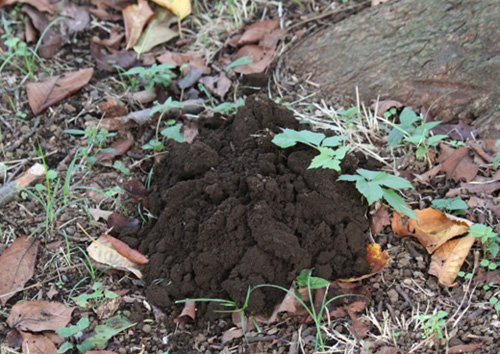
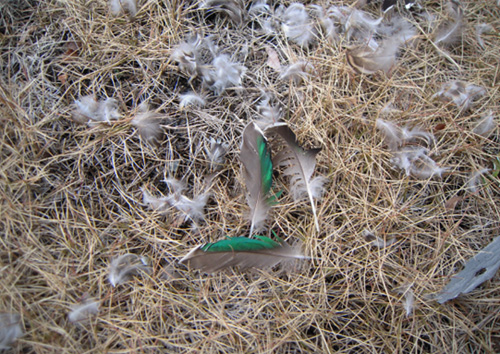
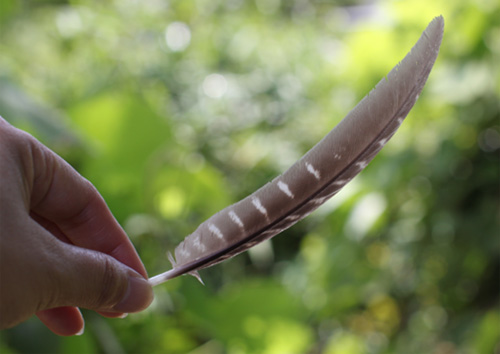
Raptors such as Peregrine falcons and Eurasian sparrowhawk (Accipiter nisus) are often seen in fall and winter, and evidence of their feeding is frequently found, but they are rarely seen in spring and summer.
▼To enlarge an image of a plant or animal, click it.
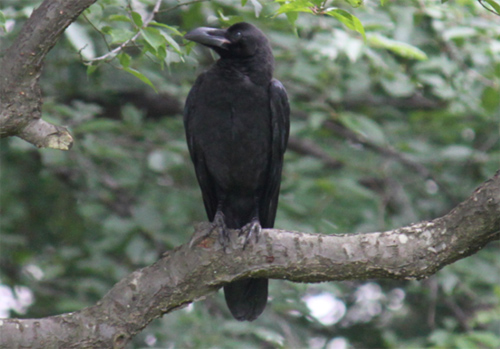
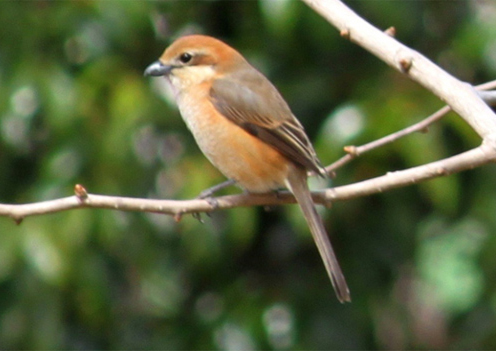
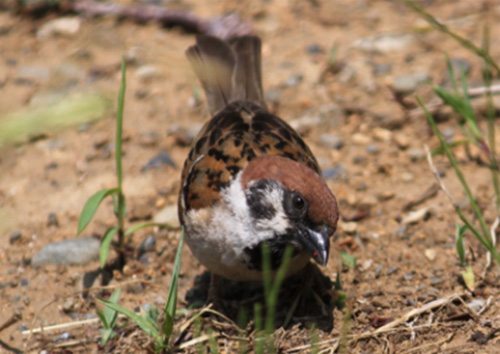
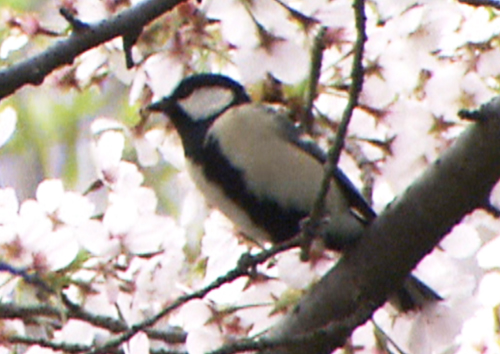
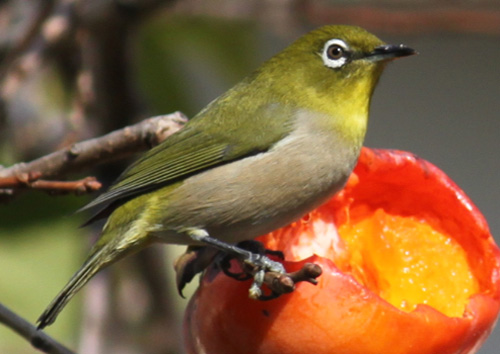
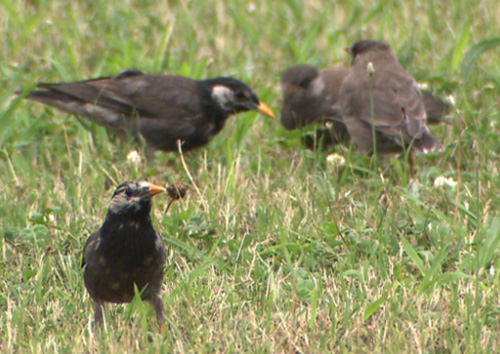
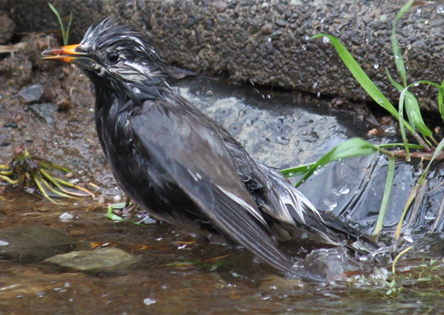
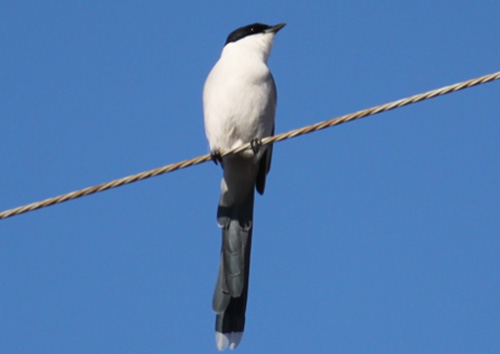
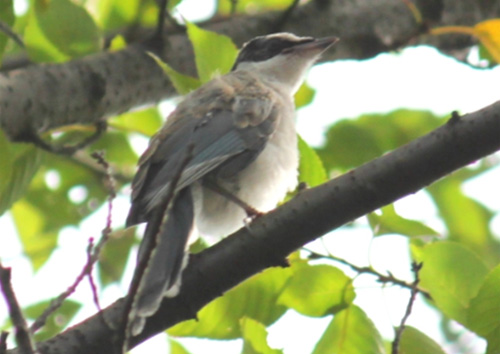
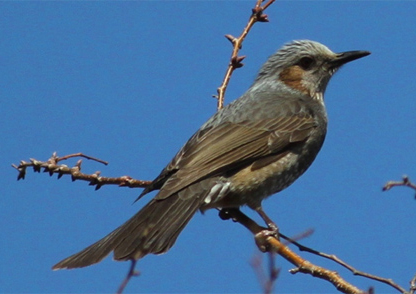
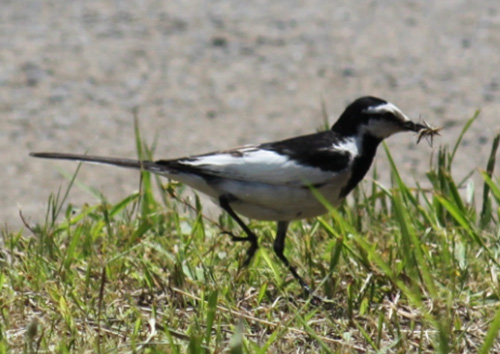
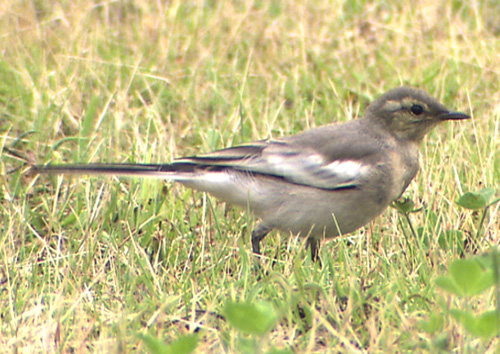
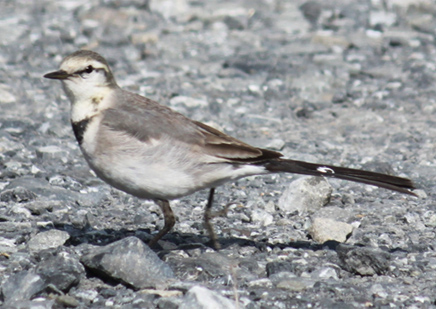
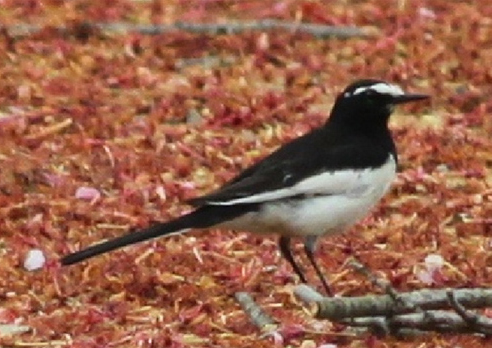
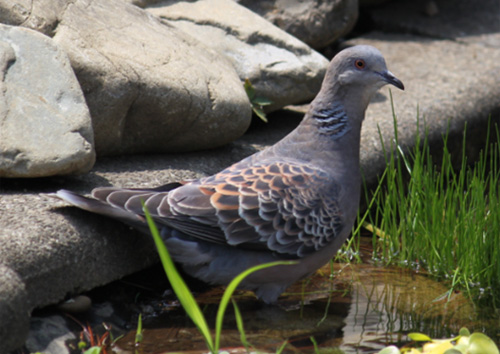
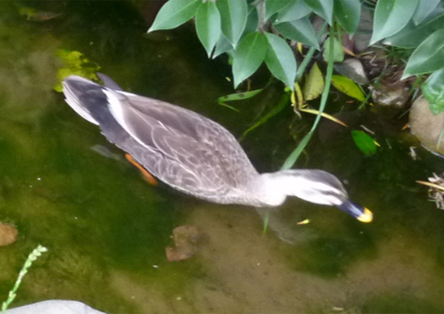
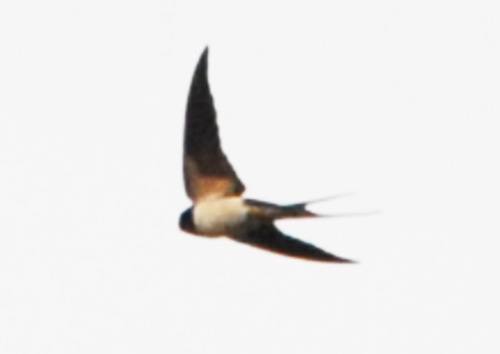
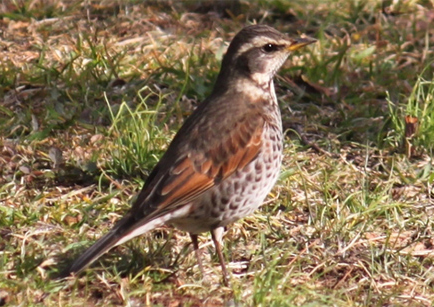
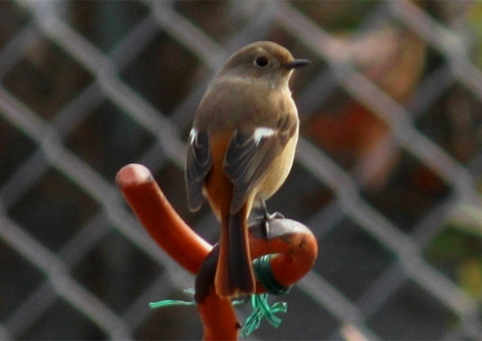
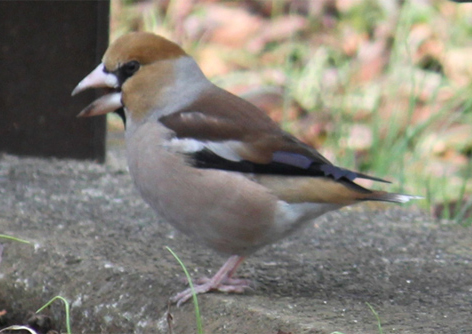
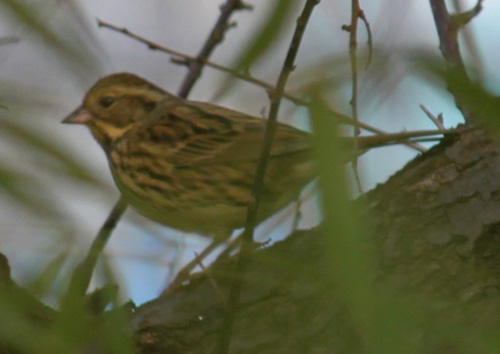
A total of 41 bird species have been confirmed on the premises. Grey starling (Sturnus cineraceus), brown-eared bulbul (Hypsipetes amaurotis), azure-winged magpie (Cyanopica cyana), sparrow (Passer montanus), Japanese tit (Parus minor), Japanese white-eye (Zosterops japonicus), and white wagtail (Motacilla alba), among others, are commonly observed as they are well-adapted to urban environments. Due to the proximity of rivers such as the Nogawa River and the Tama River, little ringed plovers (Charadrius dubius) and grey-tailed tattlers (Heteroscelus brevipes) have also been observed flying overhead on the premises.
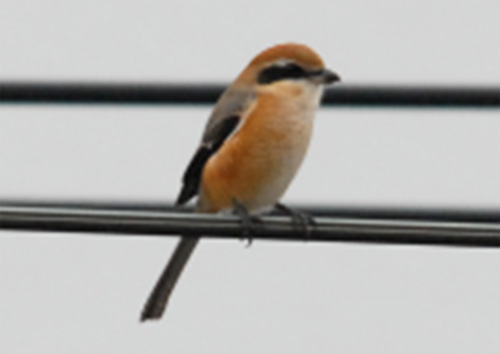
Rare species confirmed include peregrine falcons, Eurasian sparrowhawks (Accipiter nisus), grey-faced buzzards (Butastur indicus) and other raptors as well as the Japanese bush warbler (Cettia diphone), skylark (Alauda arvensis), Japanese wagtail (Motacilla grandis), shrike, long-tailed tit (Aegithalos caudatus), and Japanese grosbeak (Eophona personata).
▼To enlarge an image of a plant or animal, click it.
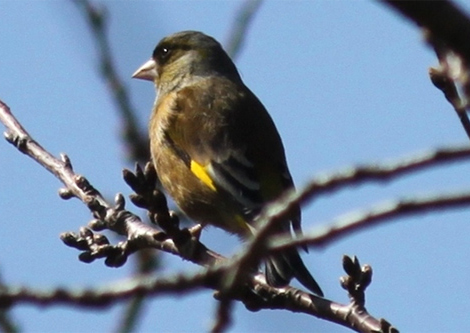
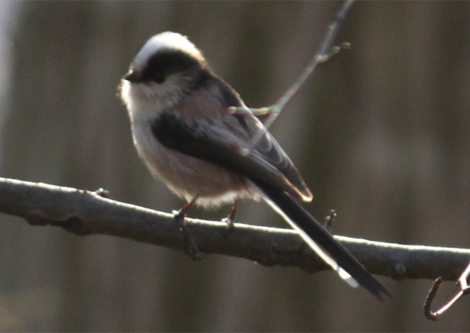
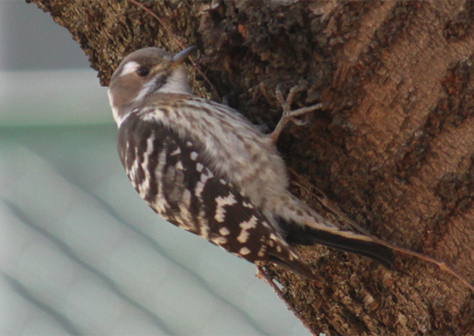
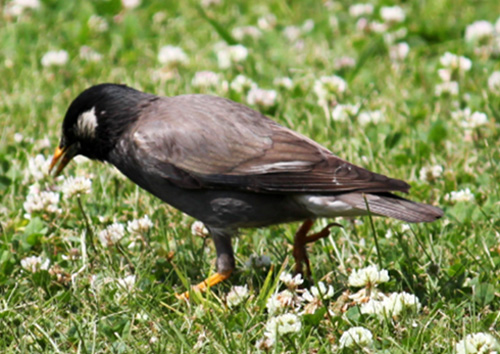

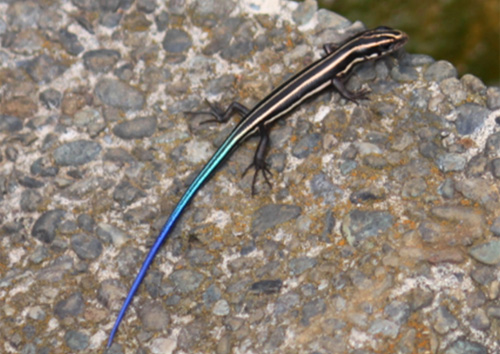
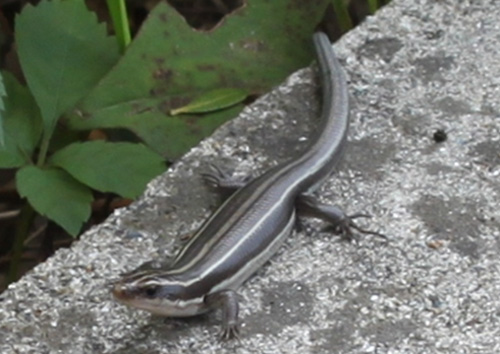
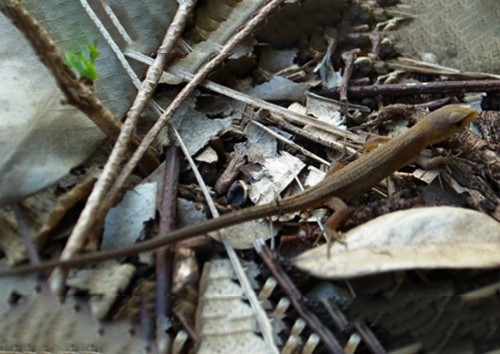
The Far Eastern skink (Plestiodon finitimus) and Japanese grass lizard (Takydromus tachydromoides) (both species classified as Endangered II) have been confirmed on the premises. These species, whose numbers are declining in urban areas, are quietly inhabiting the green spaces of the Complex.
▼To enlarge an image of a plant or animal, click it.

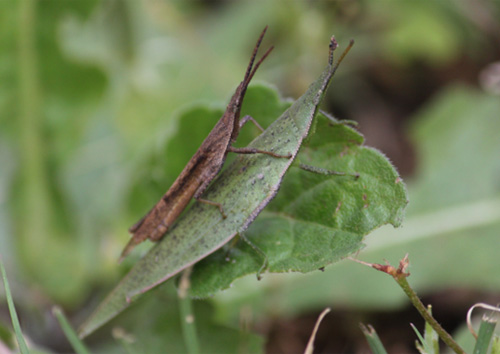
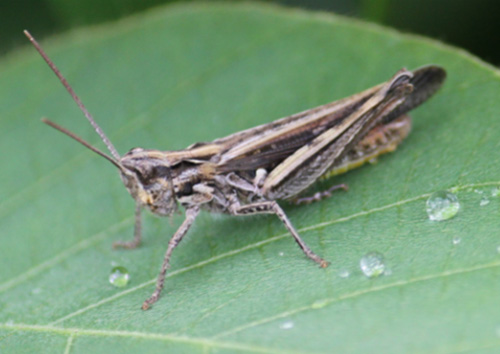
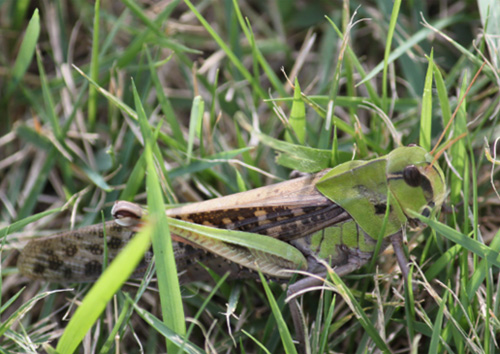
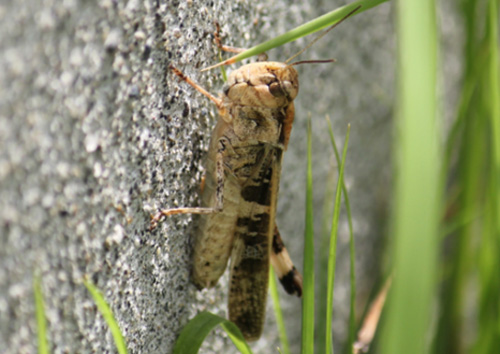
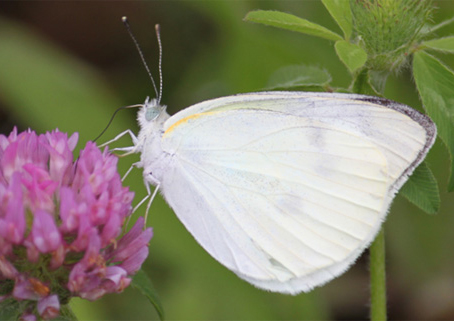
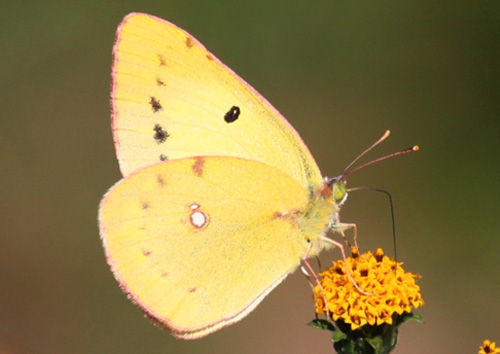
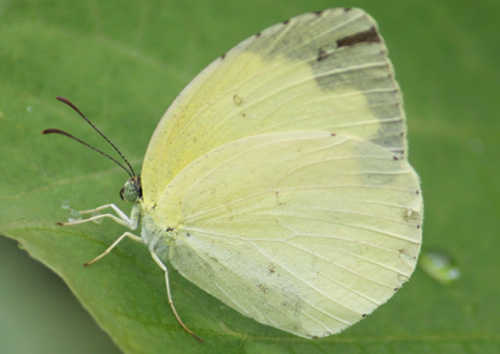
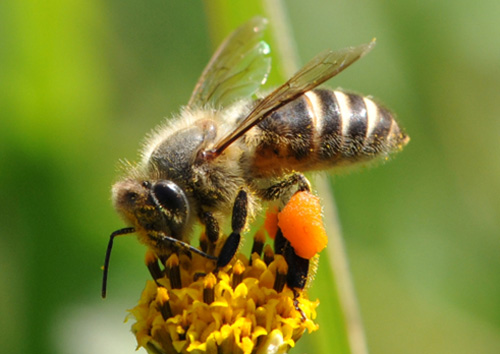
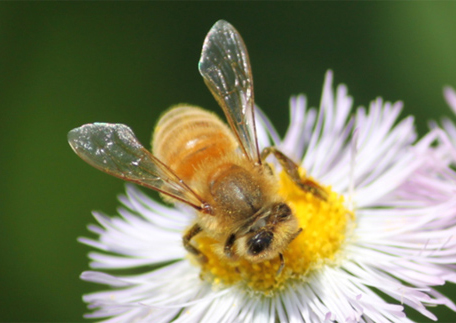
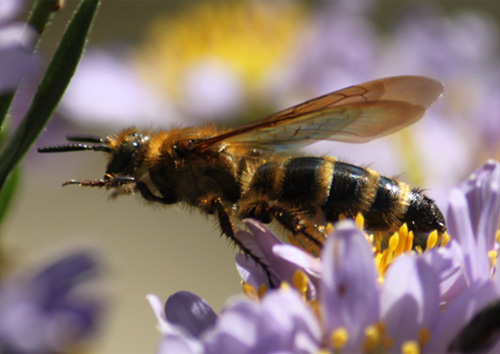
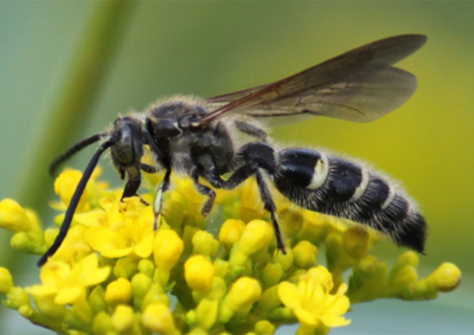
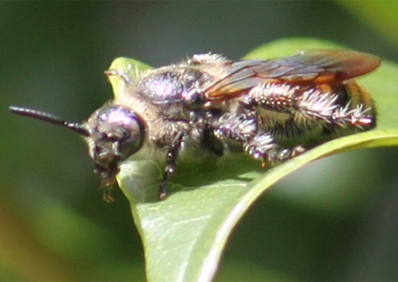
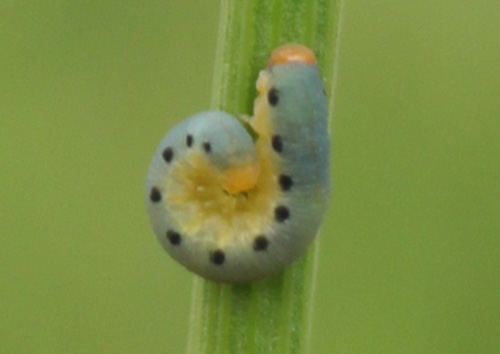
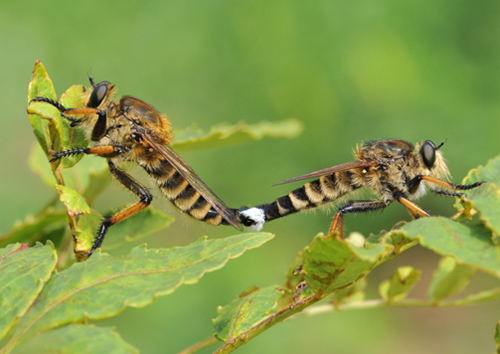
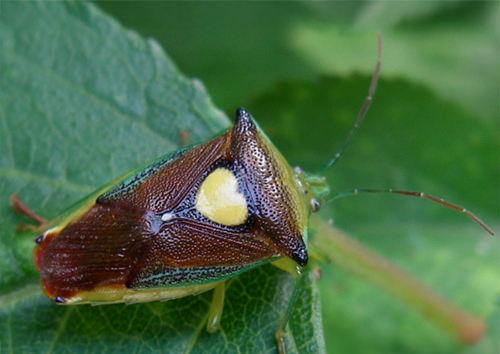
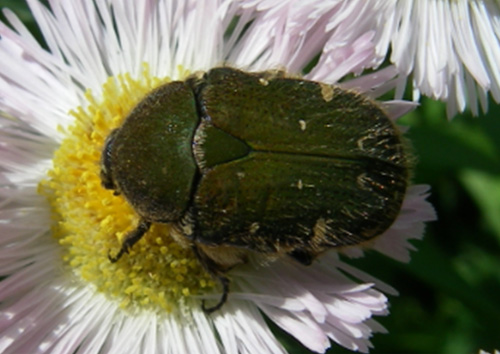
A total of 473 insect species have been confirmed on the premises. The area is notable for its abundance of grassland species such as grasshoppers and bees as well as species inhabiting planted trees, such as Ornebius kanetataki. Six species listed in the Tokyo Metropolitan Government’s Red Data Book have been identified, with the Gonista bicolor (classified as Endangered II) standing out for its high number of confirmed locations and large population, making it a representative insect of Fuchu Complex.
▼To enlarge an image of a plant or animal, click it.
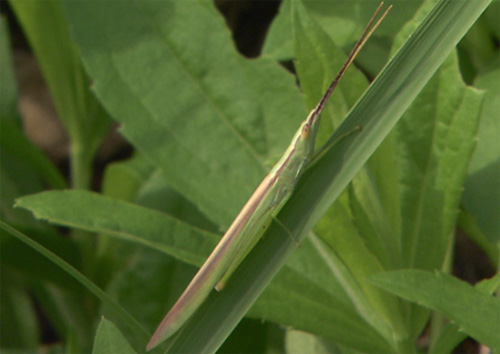
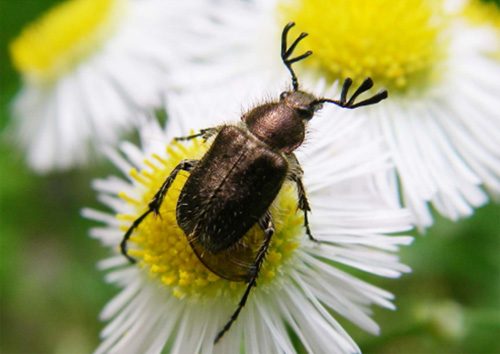
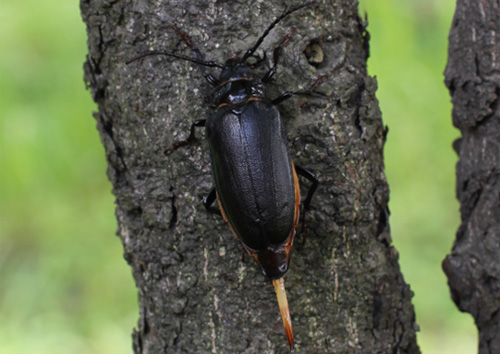
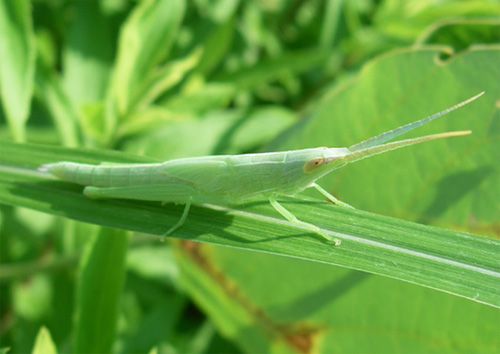
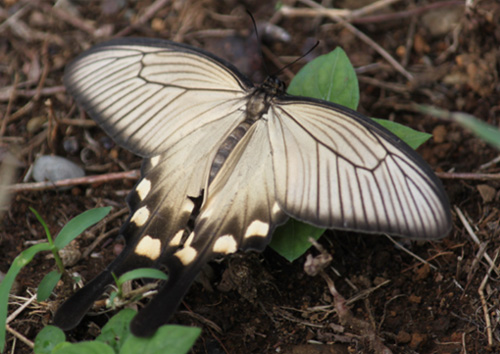
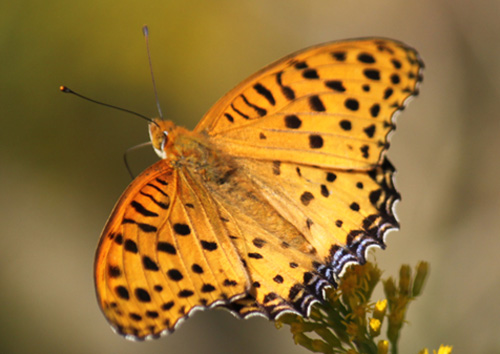
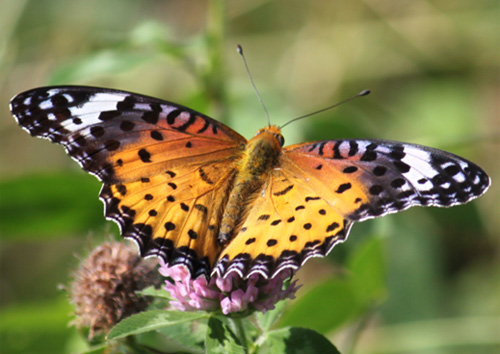
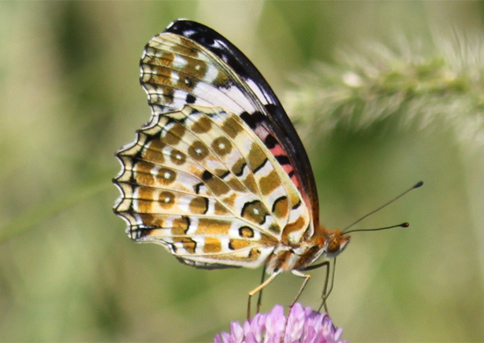
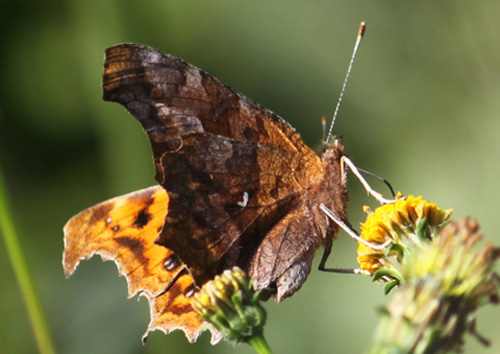
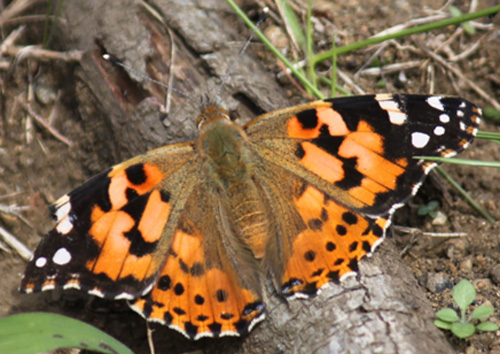
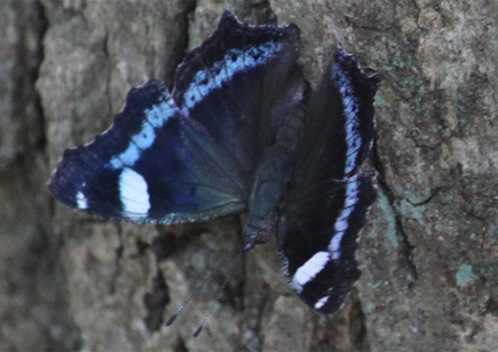
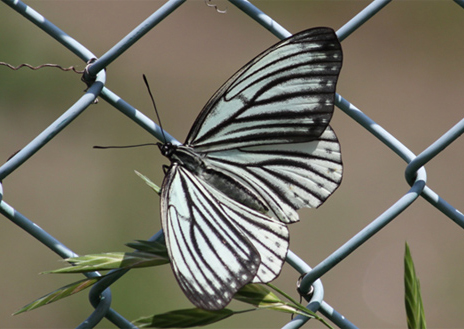
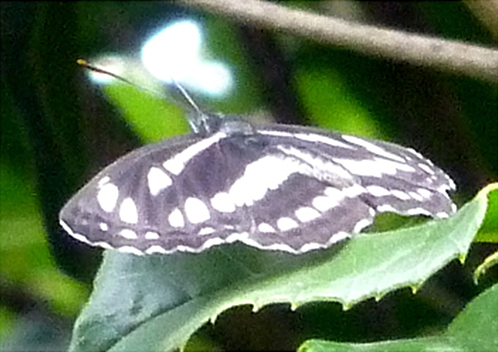
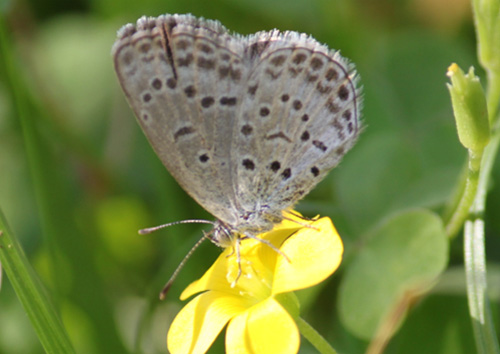
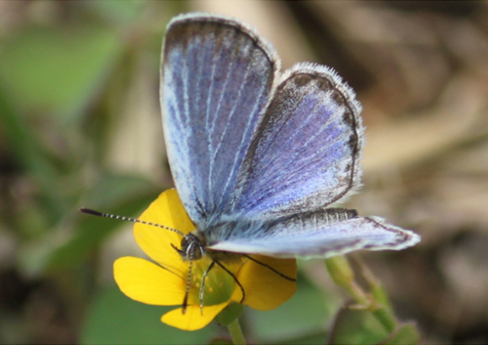
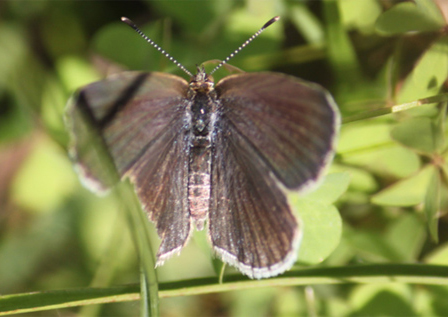
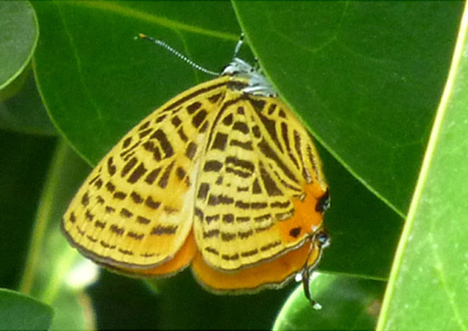
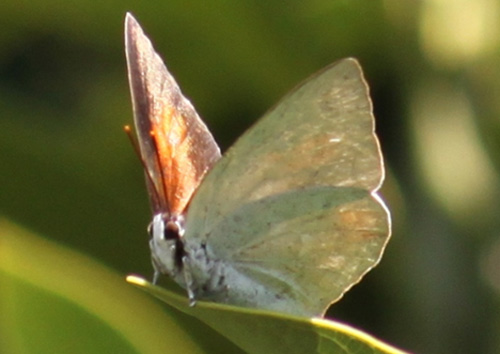
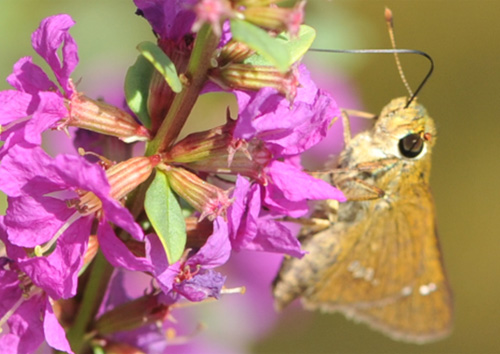
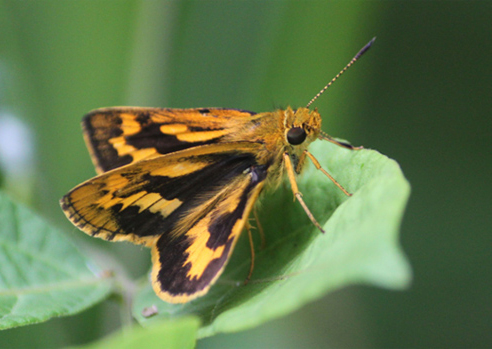
A total of 20 butterfly species have been confirmed on the premises. The Chinese Windmill butterfly (Atrophaneura alcinous), which feeds on birthwort (Aristolochia debilis, Endangered II), has been observed breeding on the premises and, along with Gonista bicolor, is considered to be a representative insect at Fuchu Complex.
▼To enlarge an image of a plant or animal, click it.
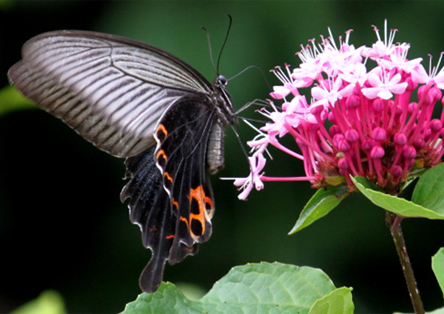
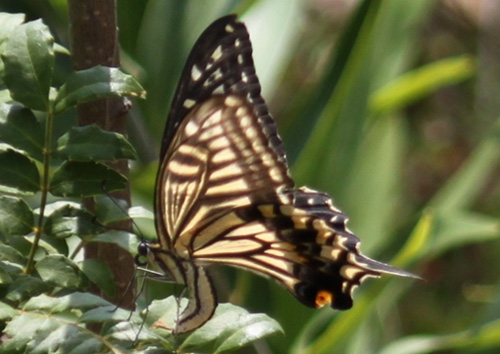
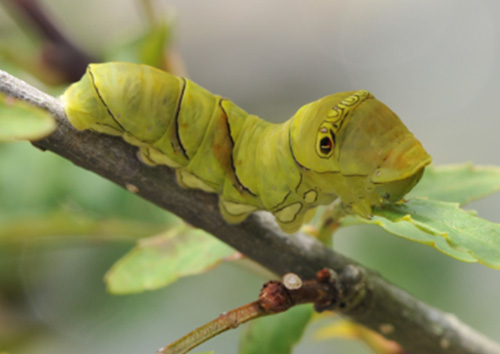
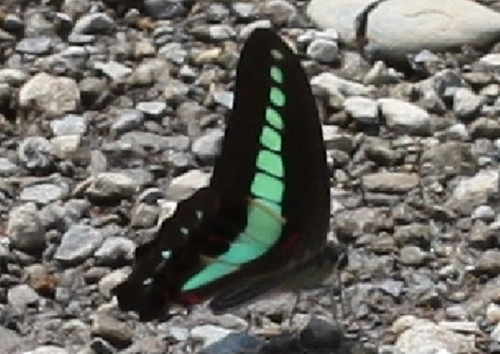
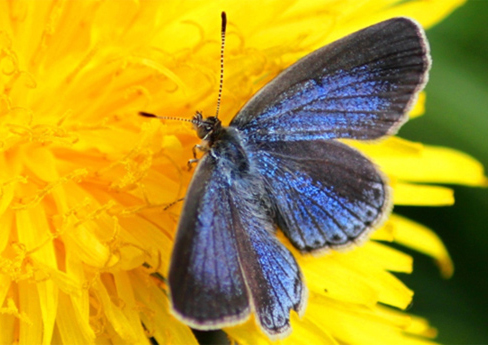
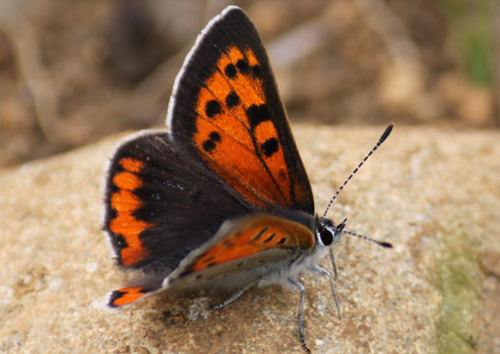
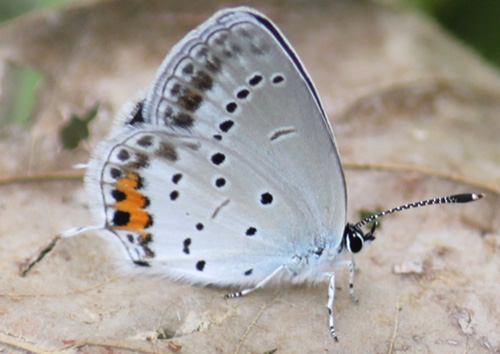
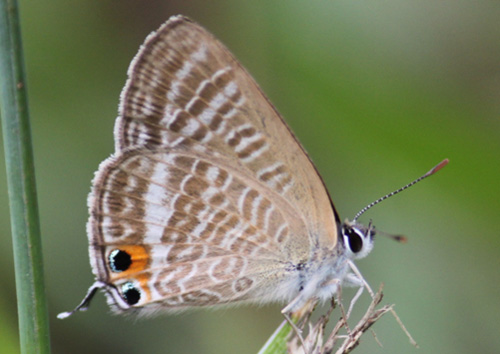
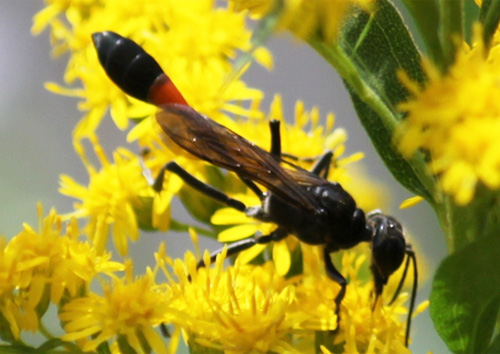
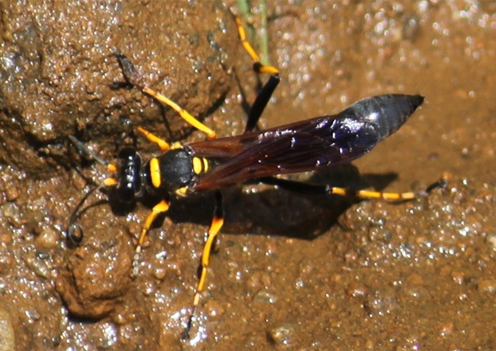
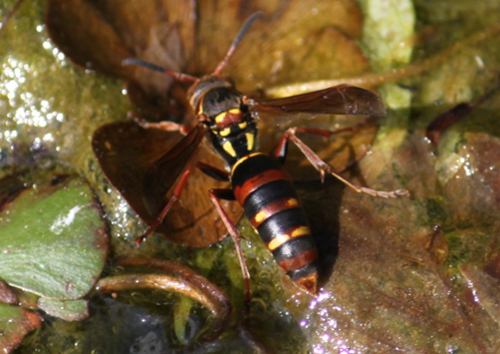
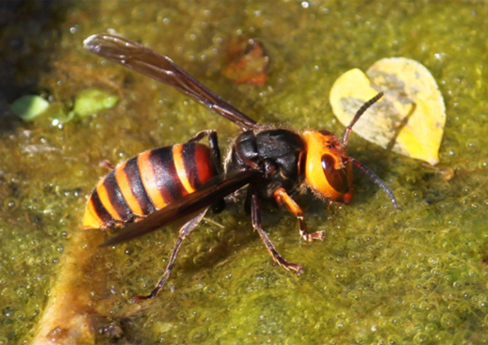
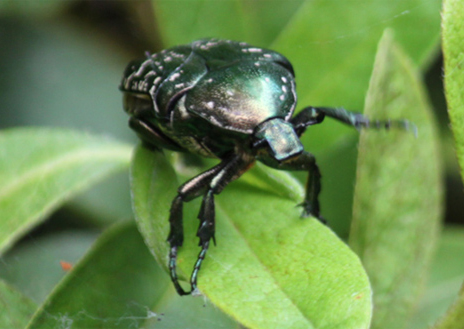
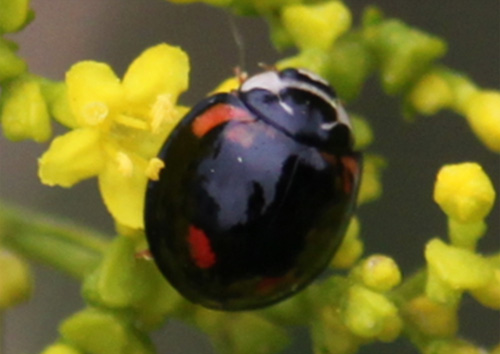
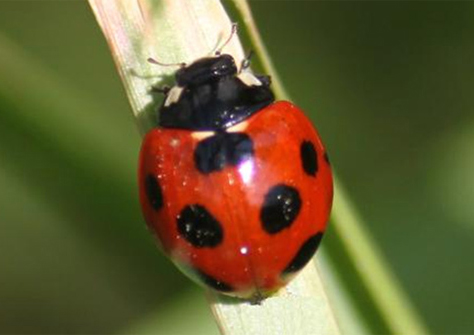
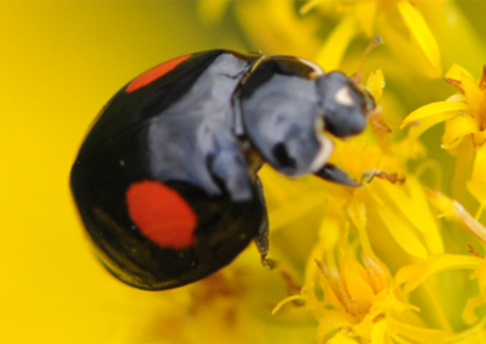
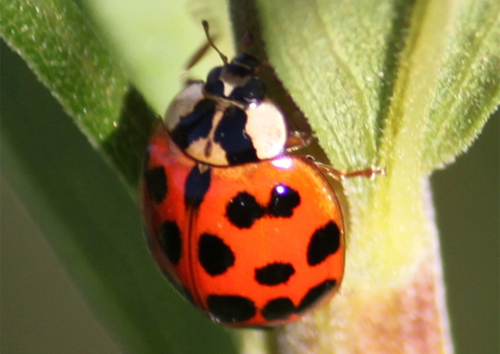
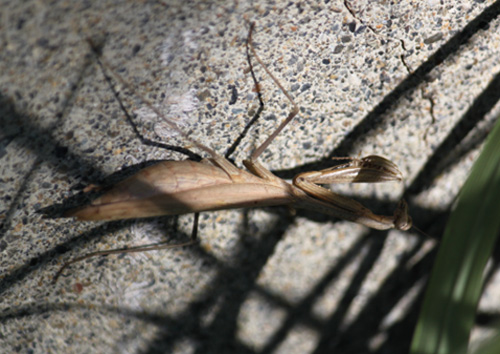
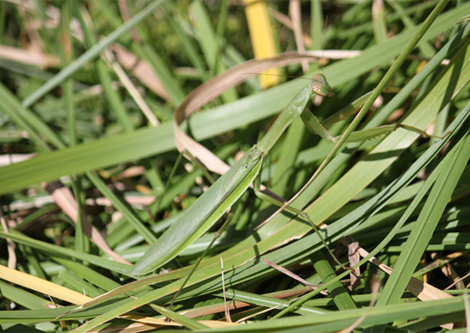
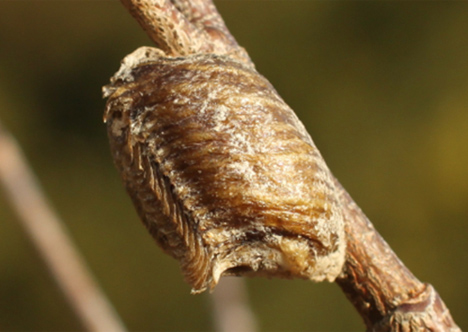
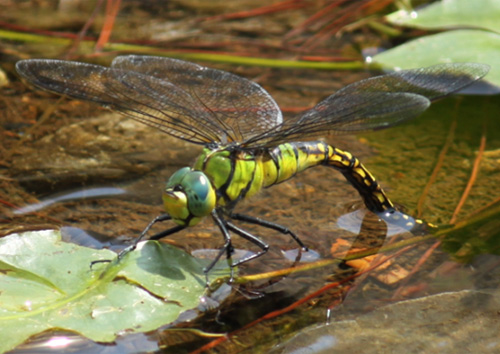
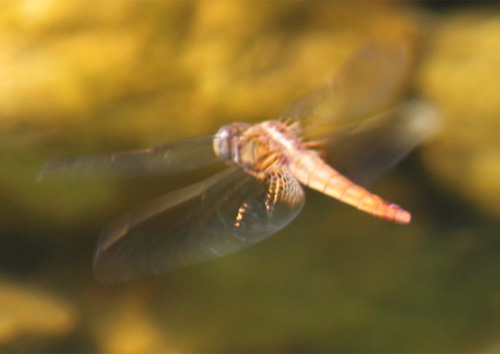
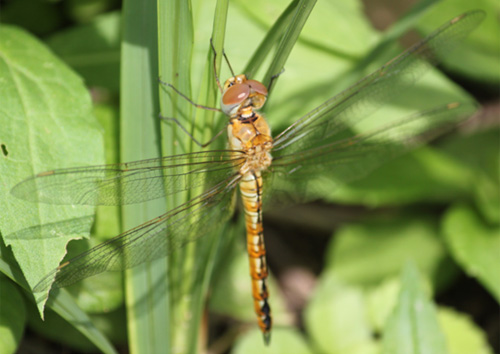
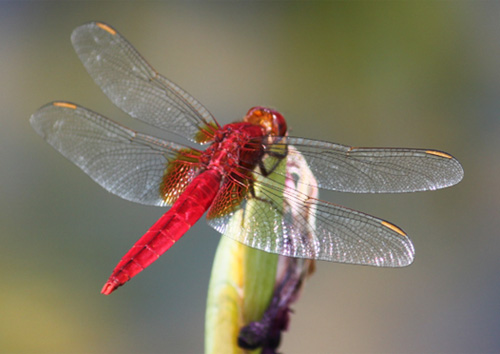
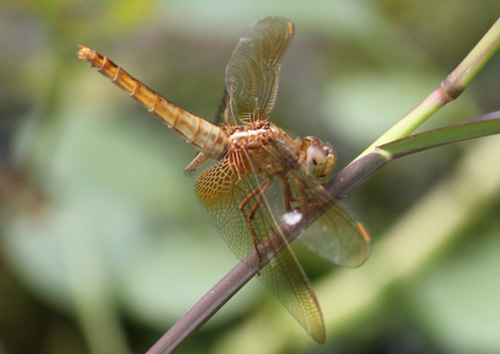
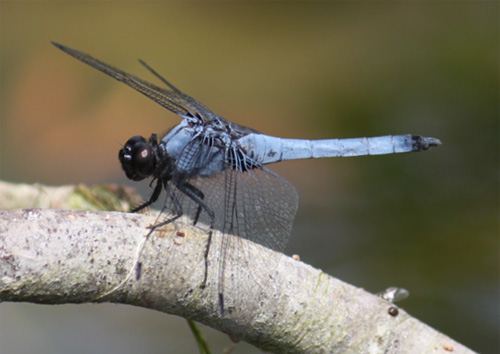
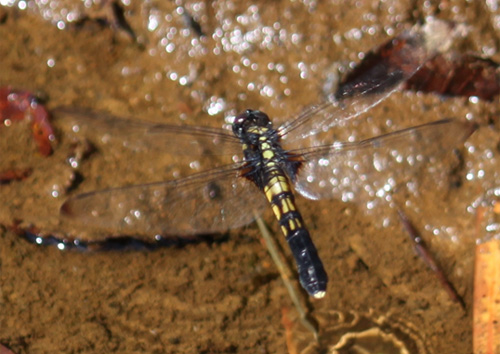
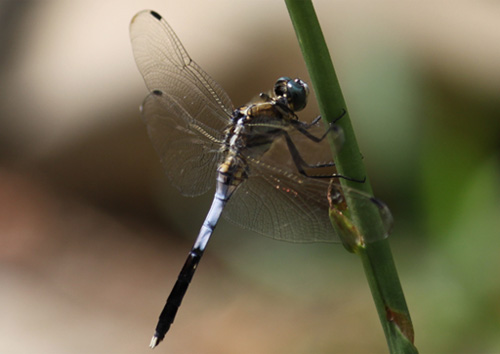
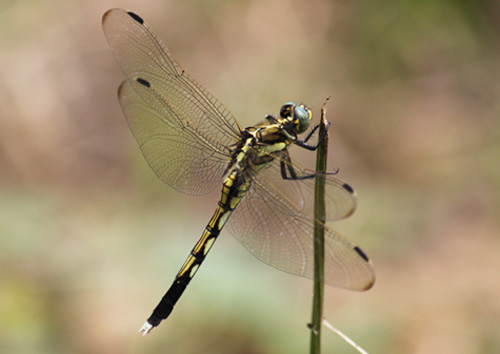
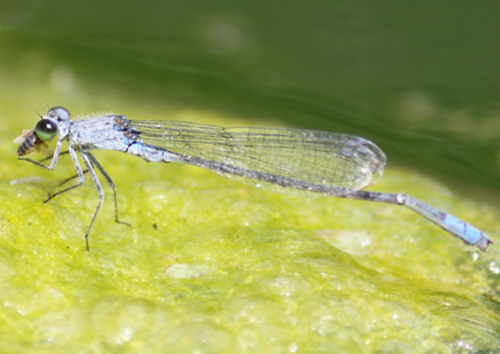
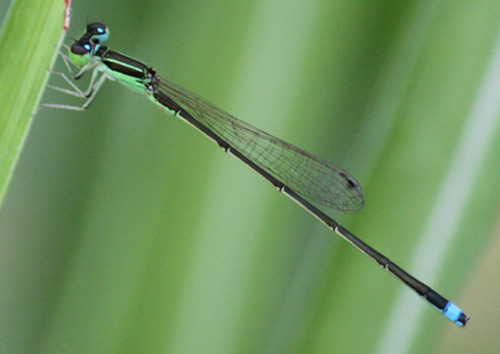
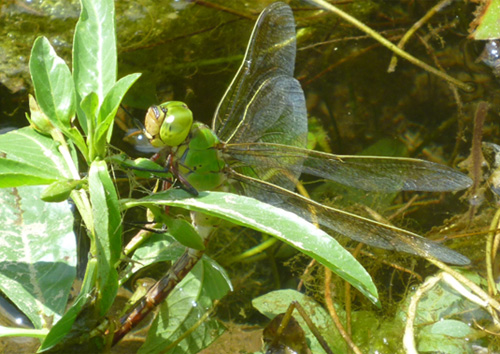
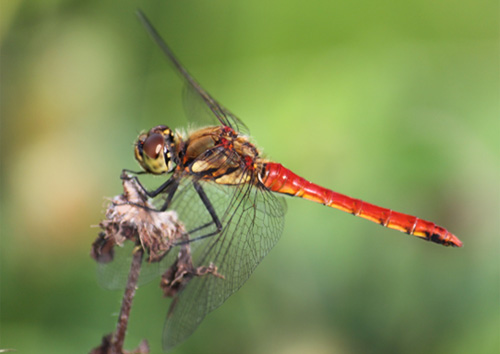
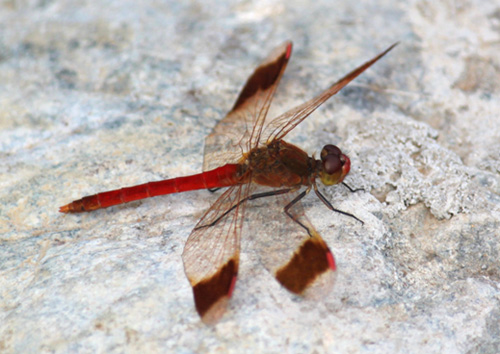
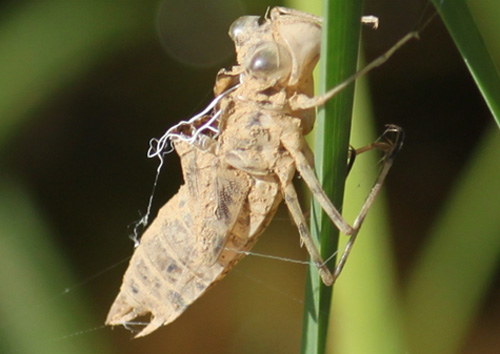
In March 2012, we created a small water biotope. Over the following 6 months, dragonflies that prefer sunny areas visited the biotope regularly. In total, 12 species were confirmed; in addition to the 10 species shown in the photos, we confirmed Sympetrum infuscatum and the giant dragonfly (Anotogaster sieboldii). Numerous dragonfly larvae and exuviae (shed exoskeletons) were also found.
▼To enlarge an image of a plant or animal, click it.

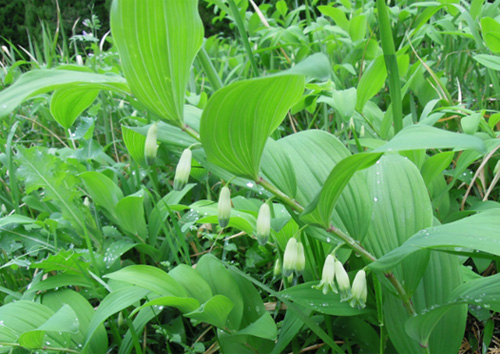
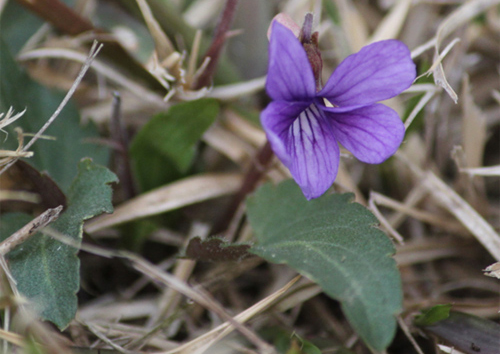
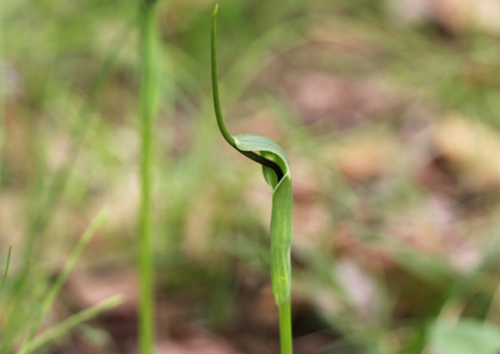
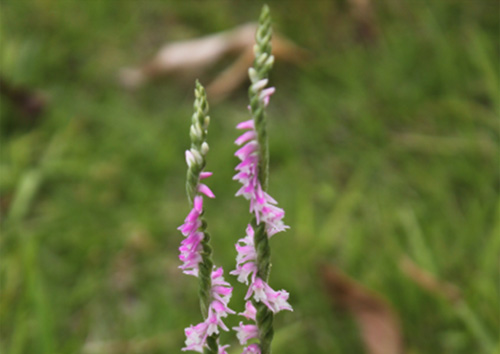
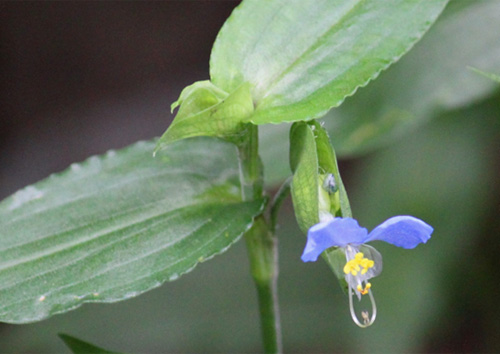
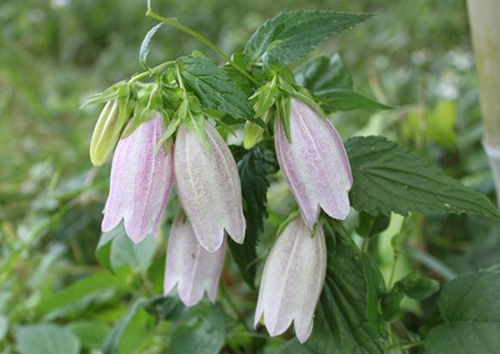
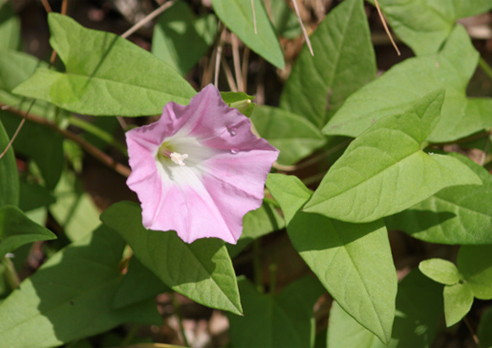
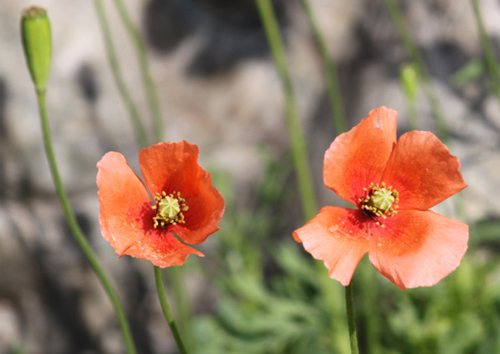
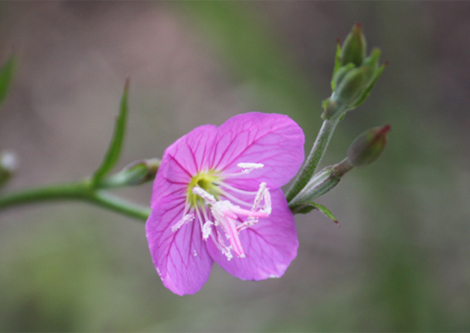
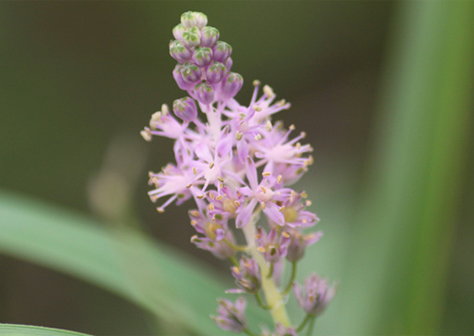
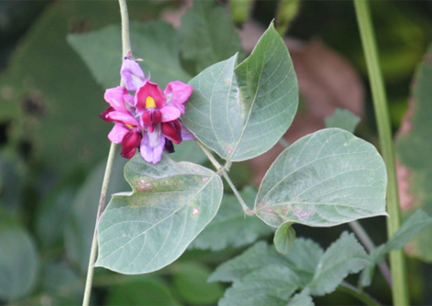
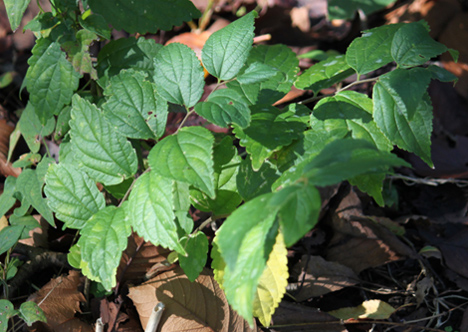
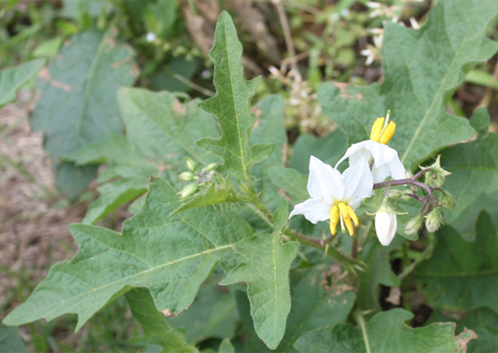
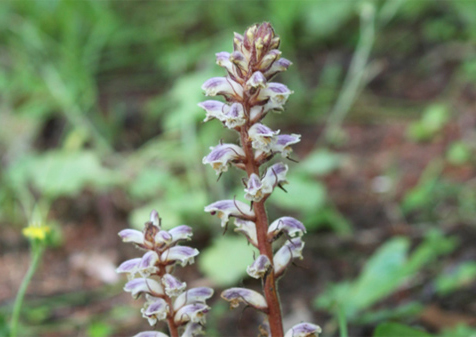
A total of 368 plant species have been identified on the premises; however, most of the area consists of maintained landscaped green spaces, so distinctive natural vegetation is scarce.
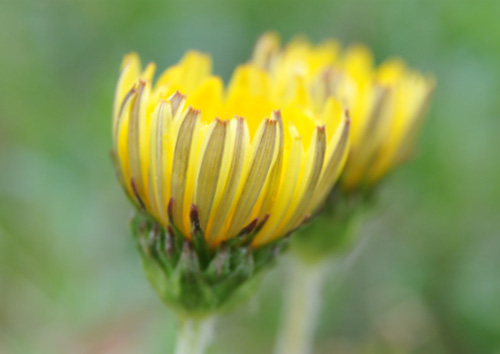
Three species listed in the Tokyo Metropolitan Government’s Red Data Book were confirmed, including birthwort (Aristolochia debilis), which is widely distributed throughout the site. The dandelion population is notable for its abundance of Taraxacum platycarpum, a native species now in decline due to competition from the common dandelion (Taraxacum officinale).
▼To enlarge an image of a plant or animal, click it.
Please note that rarity classifications such as “Endangered II” are based on the Tokyo Metropolitan Government Red List.